24/7/365. 45 MIN. RESPONSE

26
Apr
Choosing a North Texas Restoration Expert: Why Science Wins
Choosing a Restoration Expert can be a stressful time
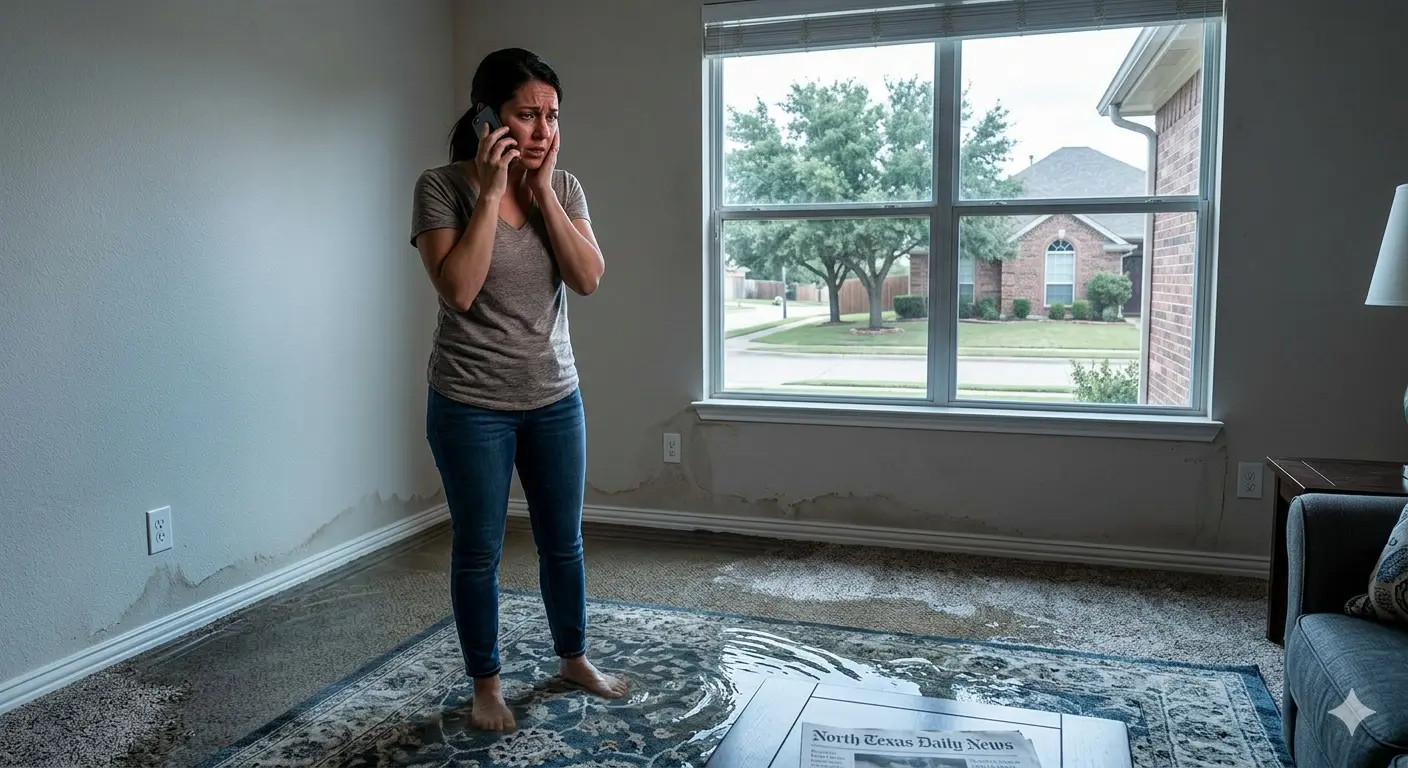
Choosing a restoration company is one of the most stressful decisions you will ever make. Most of the time, you are making this choice while standing in a puddle or staring at a soot covered ceiling during one of the worst days of your life. The pressure to act fast is intense because water and fire damage do not wait for anyone. However, making a hasty decision based only on who can show up first with a truck and a few fans can lead to a long term disaster that far outweighs the initial flood.
Over my years serving our neighbors in North Texas, I have seen exactly what happens when the wrong company is selected. Our region presents unique challenges, from intense humidity spikes to the specific way our local homes are built. I want to help you navigate this process using the scientific standards that govern our industry so you can protect your home and your family.
The Danger of Secondary Damage
The biggest mistake I see is failing to understand the hidden threat of secondary damage. When water enters a home, it is not just about the puddle you see on the floor. Proper restoration is a deep dive into the air and the materials tucked away out of sight. A critical part of this is identifying the category of the water. Many people do not realize that water is classified by its level of contamination.
Category 1: Clean water from a broken supply pipe or a sink overflow.
Category 2: Gray water, which has some contamination, like a washing machine discharge.
Category 3 (Black Water): Grossly contaminated water containing pathogens, such as sewage or outdoor floodwater.
I have seen companies come into a home after a sewage backup and simply try to suck up the liquid and dry the carpet. This is a massive safety violation. If you treat sewage like clean water, you are effectively trapping dangerous pathogens inside your floors and walls. Proper restoration requires an immediate identification of the category to determine what can be saved and what must be removed for your safety.
Look for the Triple Threat of Certifications
You will see many companies claim they are certified, but for your home to be truly safe, you need to ensure the specific technicians in your living room hold advanced designations. Look for these three:
WRT (Water Restoration Technician): This covers the basic science of drying and restoration.
ASD (Applied Structural Drying): This is the gold standard for the mechanics of drying complex environments like wall cavities and subfloors.
AMRT (Applied Microbial Remediation Technician): This is non negotiable if you are dealing with mold. It ensures the crew knows how to keep contaminants from spreading to clean rooms.
Part 2: The "Dry Enough" Fallacy and Professional Precision
I remember a specific job that perfectly illustrates why these standards matter. I was called to a home where a budget company had removed their fans after only 48 hours because the carpet felt dry to the touch. Two weeks later, the family noticed a persistent musty odor.
The previous company had not used a moisture meter to check the sill plates, which are the wooden boards at the bottom of your wall studs. While the surface felt fine, the deep structure was still soaking wet. Using a professional probe, I showed the homeowner that the wood had a 25% moisture content. Anything over 16% is an open invitation for mold to grow. We had to perform a controlled demolition of the drywall just to reach those studs and dry them properly.
Navigating Insurance and Technology
Dealing with insurance is often the most stressful part for a North Texas homeowner. A professional company acts as a technical liaison. We use the same professional software that insurance companies trust, assigning correct industry codes and validating every step of the process. This removes the friction from the claims process and ensures your work is accurately defined and covered.
We remove the guesswork for adjusters by providing:
Atmospheric readings: Comparing indoor temperature and humidity to the outside air.
Moisture maps: A visual floor plan showing exactly where the wet areas are.
Compliant documentation: Proof that explains exactly why specific equipment, like five dehumidifiers instead of two, was necessary for your specific layout.
Tools of the Trade
There is a massive difference between a professional team and a person with a shop vac. High quality restoration requires specialized gear. We use thermal imaging and infrared cameras to find "ghost moisture" trapped behind walls. We also utilize LGR (Low Grain Refrigerant) dehumidifiers, which pull moisture out of the air even in extremely low humidity. This is essential for drying dense materials like hardwood. Finally, HEPA scrubbers ensure that contaminants are filtered out of the air rather than blown into clean rooms.
Red Flags to Watch For
If you are unsure about a company, ask them one question: "Do you plan to start demolition before taking moisture readings?" If they say yes just to get moving faster, find someone else. A professional must first establish a dry standard by taking readings from an unaffected area of your home. This baseline is the scientific goal. Without it, the company is just guessing.
In our part of Texas, weather shifts from dry cold fronts to humid thunderstorms in hours. We have to be diligent. Don't settle for a quick fix that leads to a long term problem. Look for experts who follow the rules, document the details, and stay until the data tells us your home is safe. Your home is your sanctuary, and it deserves nothing less than the gold standard of care.
Latest Posts

Contact Us
For Advice
Need help? Talk to an expert
8175543849